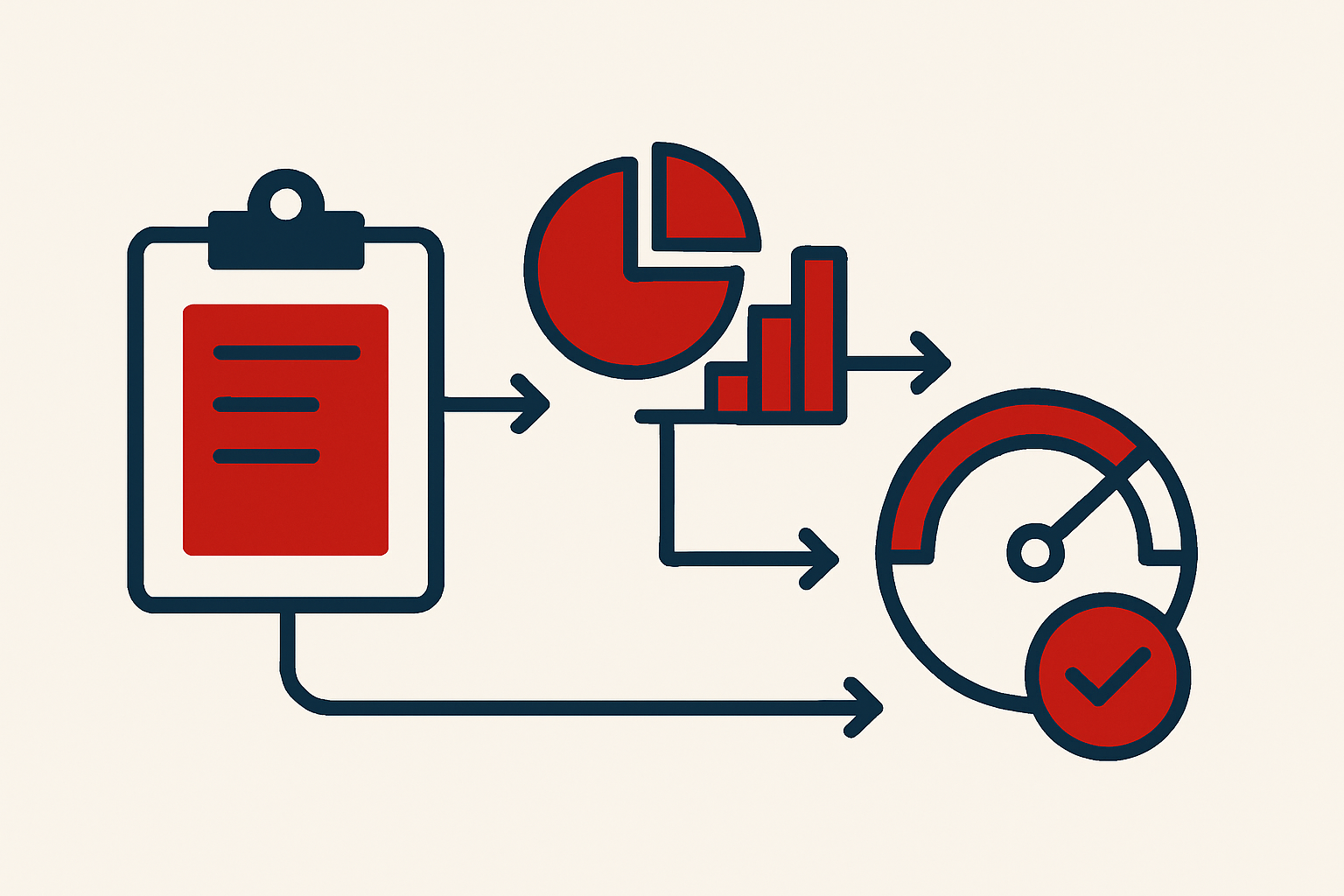
Patient-centered care revolutionizes addiction treatment by placing each person's unique needs, preferences, and values at the center of their recovery journey. This approach transforms traditional one-size-fits-all programs into personalized treatment experiences that respect individual circumstances and cultural backgrounds.
Unlike conventional medical models that follow rigid protocols, patient-centered addiction treatment adapts to each person's specific situation. Treatment teams collaborate directly with patients to develop customized recovery plans that address physical, emotional, and social factors contributing to substance use disorders.
This comprehensive approach has shown remarkable results in improving treatment outcomes and long-term recovery rates across diverse populations.
Key Takeaways
- Patient-centered care increases treatment retention rates by 40-60% compared to traditional approaches, according to SAMHSA research
- Individualized treatment plans address unique medical, psychological, and social factors affecting each person's recovery
- Collaborative decision-making between patients and treatment teams improves long-term sobriety outcomes
- Cultural competency and trauma-informed care are essential components of effective patient-centered programs
- Evidence-based practices are customized to match individual learning styles, preferences, and life circumstances
Core Principles of Patient-Centered Addiction Treatment
Patient-centered care operates on fundamental principles that distinguish it from traditional treatment models. Respect for individual autonomy allows patients to make informed decisions about their treatment options while maintaining dignity throughout recovery.
Collaborative partnerships between patients and treatment providers create shared responsibility for recovery outcomes. This teamwork approach ensures that treatment goals align with personal values and life circumstances.
Individualized Assessment and Planning
Comprehensive assessments evaluate medical history, mental health conditions, family dynamics, and social support systems. Treatment teams use this information to create personalized recovery plans that address specific challenges and leverage existing strengths.
Regular reassessment ensures treatment plans evolve with changing needs throughout recovery. Flexibility allows programs to modify approaches based on progress and emerging challenges.
Benefits of Personalized Addiction Treatment
Patient-centered approaches deliver superior outcomes by addressing root causes of addiction rather than symptoms alone. Personalized treatment reduces dropout rates and increases engagement by making recovery relevant to each person's life situation.
Enhanced motivation occurs when patients feel heard, respected, and actively involved in their treatment decisions. This engagement translates into better adherence to treatment recommendations and improved long-term recovery success.
Improved Treatment Outcomes
Research demonstrates that patient-centered programs achieve higher completion rates and reduced relapse incidents. Customized interventions target specific triggers and risk factors unique to each individual's addiction patterns.
Better integration of care occurs when treatment addresses co-occurring disorders, trauma history, and social determinants simultaneously. This holistic approach prevents fragmented care that often leads to treatment gaps.
Implementing Cultural Competency in Recovery Programs
Cultural competency ensures treatment respects diverse backgrounds, beliefs, and communication styles. Programs adapt therapeutic approaches to align with cultural values while maintaining evidence-based effectiveness.
Language accessibility, religious considerations, and family involvement patterns vary significantly across cultures. Effective patient-centered programs accommodate these differences through trained staff and flexible program structures.
Trauma-Informed Care Integration
Many individuals entering addiction treatment have experienced trauma that influences their substance use patterns. Trauma-informed approaches recognize these connections and modify treatment environments to promote safety and healing.
Staff training emphasizes understanding trauma responses and avoiding retraumatization during treatment. This awareness creates supportive environments where patients feel secure enough to engage in recovery work.
Technology and Patient-Centered Care
Digital tools enhance personalization by tracking progress, delivering customized content, and maintaining connection between sessions. Mobile applications provide real-time support and intervention capabilities tailored to individual triggers and coping strategies.
Telehealth options increase accessibility for patients with transportation, childcare, or work constraints. Virtual counseling sessions maintain treatment continuity while accommodating diverse scheduling needs and geographic limitations.
Frequently Asked Questions
How does patient-centered care differ from standard addiction treatment?
Patient-centered care prioritizes individual needs and preferences over standardized protocols. Treatment plans are customized based on personal circumstances, cultural background, and specific addiction patterns rather than following one-size-fits-all approaches.
What role do families play in patient-centered addiction treatment?
Families participate according to patient preferences and cultural norms. Some programs include family therapy sessions, education components, and support groups while respecting boundaries and individual choice in family involvement levels.
Can patient-centered care accommodate co-occurring mental health disorders?
Yes, integrated treatment addresses substance use disorders alongside mental health conditions simultaneously. Coordinated care teams ensure both conditions receive appropriate attention within personalized treatment plans.
How do treatment providers measure success in patient-centered programs?
Success metrics include treatment retention, goal achievement, quality of life improvements, and long-term recovery maintenance. Providers track both clinical outcomes and patient satisfaction measures to evaluate program effectiveness.
Bottom Line
Patient-centered care transforms addiction treatment by prioritizing individual needs, preferences, and cultural values in recovery planning. This personalized approach significantly improves treatment outcomes and long-term sobriety success rates.
For individuals seeking comprehensive addiction treatment information and resources, alcoholdrug.rehab provides detailed guidance on finding patient-centered programs that align with personal recovery goals and circumstances.
References
- Substance Abuse and Mental Health Services Administration. (2019). Treatment Episode Data Set (TEDS): 2017. Admissions to and Discharges from Publicly Funded Substance Use Treatment. https://www.samhsa.gov/data/report/treatment-episode-data-set-teds-2017-admissions-discharges-publicly-funded-substance-use
- National Institute on Drug Abuse. (2018). Principles of Drug Addiction Treatment: A Research-Based Guide (Third Edition). https://www.drugabuse.gov/publications/principles-drug-addiction-treatment-research-based-guide-third-edition
- Institute of Medicine. (2006). Improving the Quality of Health Care for Mental and Substance-Use Conditions. Washington, DC: The National Academies Press.
- Kelly, J. F., & White, W. L. (2011). Addiction recovery management: Theory, research and practice. Humana Press.