Emotional distress is intense psychological suffering that disrupts daily functioning, relationships, and mental health. It is one of the most common triggers behind alcohol and drug misuse, often pushing people toward substances as a way to cope.
Many people never connect their substance use to unresolved emotional pain. Recognizing that link is the first step toward effective treatment and long-term recovery.
Key Takeaways
- Emotional distress significantly increases the risk of developing a substance use disorder.
- According to SAMHSA, over 21 million Americans have co-occurring mental health and substance use disorders.
- Untreated emotional distress can worsen addiction severity and reduce treatment success rates.
- Evidence-based therapies like CBT and DBT directly target emotional distress in addiction recovery.
- Early intervention leads to better outcomes for people experiencing both distress and substance misuse.
What Is Emotional Distress?
Emotional distress refers to a state of mental suffering caused by overwhelming stress, trauma, grief, or anxiety. It is not a clinical diagnosis on its own, but it can signal serious underlying conditions like depression, PTSD, or anxiety disorders.
Common signs include persistent sadness, irritability, emotional numbness, difficulty concentrating, and withdrawal from social activities. These symptoms often appear gradually, making them easy to dismiss until they become severe.
Emotional Distress vs. Mental Illness
Emotional distress and mental illness are related but not the same thing. Distress is often temporary and triggered by specific events, while mental illness involves persistent patterns that require professional diagnosis and treatment.
However, prolonged emotional distress can develop into a diagnosable condition. Substance use frequently accelerates that progression, turning short-term pain into a chronic mental health challenge.
How Emotional Distress Leads to Substance Use
When emotional pain becomes overwhelming, many people reach for alcohol or drugs to feel temporary relief. This pattern is known as self-medication, and it is a major pathway into addiction.
Substances like alcohol, opioids, and benzodiazepines reduce emotional intensity quickly. The brain learns to associate the substance with relief, reinforcing use even when the consequences become harmful.
The Self-Medication Cycle
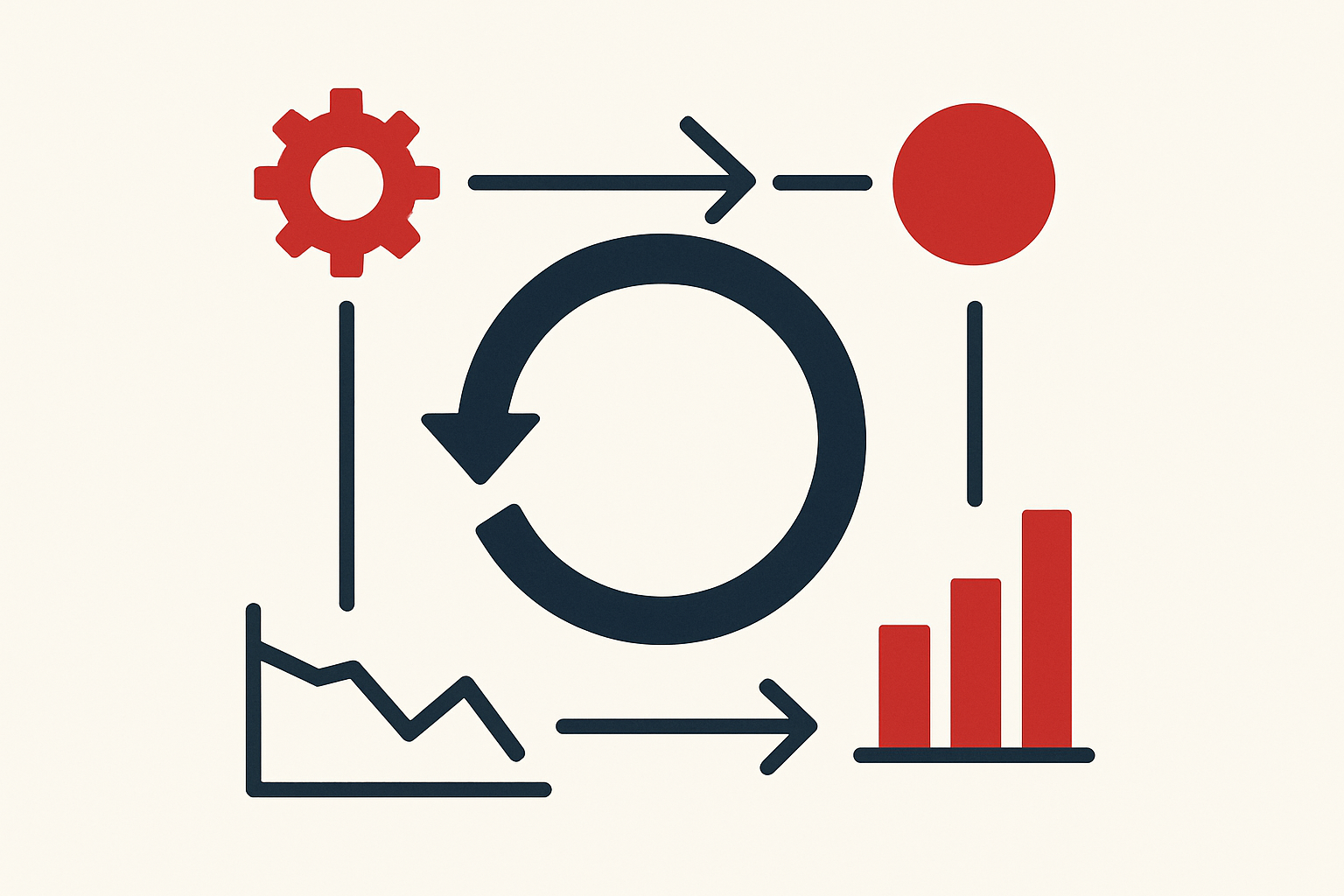
The self-medication cycle follows a predictable pattern. Emotional pain triggers substance use, which provides short-term relief but increases emotional vulnerability over time. This leads to more frequent use and greater distress.
Breaking this cycle requires addressing both the substance use and the underlying emotional issues simultaneously. Treating only one side of the problem consistently leads to relapse.
Common Causes of Emotional Distress in Addiction
Trauma is one of the leading causes of emotional distress among people with substance use disorders. Childhood abuse, domestic violence, accidents, and military combat all leave lasting psychological wounds that drugs and alcohol can temporarily mask.
Other common causes include chronic stress, relationship breakdown, financial hardship, grief, and social isolation. These experiences create emotional pain that many people feel unequipped to manage without outside support.
The Role of Adverse Childhood Experiences
Research consistently shows that adverse childhood experiences, known as ACEs, dramatically increase addiction risk. According to the CDC, people with four or more ACEs are up to seven times more likely to develop alcohol dependence.
Early emotional wounds often go unaddressed for years. By the time substance use begins, the original trauma may feel distant, but its influence on behavior and coping remains powerful.
Recognizing Emotional Distress in Someone With Addiction
Identifying emotional distress in a person struggling with addiction can be difficult. Substances often mask emotional symptoms, making the person appear stable even when they are suffering internally.
Warning signs to watch for include sudden mood swings, increased isolation, expressions of hopelessness, and escalating substance use following stressful events. These patterns suggest that emotional pain is actively driving the addiction.
Treatment Approaches That Address Emotional Distress
Effective addiction treatment must address emotional distress directly. Programs that focus only on physical detox without treating the emotional root causes see significantly higher relapse rates.
Integrated treatment models combine substance use care with mental health support. This dual-focus approach is now considered the standard of care for people with co-occurring conditions.
Cognitive Behavioral Therapy
Cognitive behavioral therapy, or CBT, helps people identify distorted thinking patterns that fuel emotional distress and substance use. By challenging negative beliefs, CBT builds healthier emotional responses and stronger coping skills.
CBT is one of the most well-researched therapies in addiction treatment. It is effective across multiple substance types and works well in both individual and group settings.
Dialectical Behavior Therapy
Dialectical behavior therapy, known as DBT, was specifically designed to treat intense emotional distress. It teaches skills in mindfulness, distress tolerance, emotional regulation, and interpersonal effectiveness.
DBT is particularly effective for people with borderline personality disorder, trauma histories, and chronic self-destructive behavior patterns. Many residential and outpatient programs now include DBT as a core component.
Trauma-Informed Care
Trauma-informed care recognizes that most people in addiction treatment have experienced significant trauma. Treatment providers are trained to avoid re-traumatization and to create environments where clients feel physically and emotionally safe.
This approach improves engagement, reduces dropout rates, and supports more honest therapeutic work. It is especially important for survivors of abuse, neglect, or violent experiences.
Frequently Asked Questions
Can emotional distress cause physical symptoms?
Yes, emotional distress frequently produces physical symptoms including headaches, chest tightness, fatigue, nausea, and disrupted sleep. The mind and body are closely connected. Prolonged stress activates the body's stress response, which causes real physiological changes. These physical symptoms often push people toward substance use as a form of self-relief.
Is emotional distress a reason to seek rehab?
If emotional distress is connected to alcohol or drug use, rehab is a valid and often necessary step. Many treatment programs specifically address co-occurring emotional and substance use issues. Waiting until addiction becomes severe reduces the chances of a smoother recovery. Early treatment produces significantly better long-term outcomes.
How long does it take to recover from emotional distress?
Recovery timelines vary depending on the cause, severity, and access to treatment. Some people experience significant improvement within weeks of starting therapy. Others, particularly those with deep trauma histories, require months or years of consistent work. Substance use typically extends recovery time by disrupting emotional regulation and delaying meaningful therapeutic progress.
Does detox help with emotional distress?
Detox addresses physical dependence but does not directly treat emotional distress. In fact, early sobriety often intensifies emotional pain temporarily as substances are removed. This is why detox should always be followed by comprehensive therapy that targets the emotional factors driving substance use.
Bottom Line
Emotional distress and addiction are deeply connected, and treating one without the other rarely leads to lasting recovery. Addressing both through integrated, evidence-based care gives people the strongest foundation for a healthier life.
If you or someone you care about is struggling with substance use linked to emotional pain, alcoholdrug.rehab offers clear, practical information on treatment options, therapy approaches, and recovery planning to help you take the next step with confidence.
References
- Substance Abuse and Mental Health Services Administration. (2023). Key substance use and mental health indicators in the United States: Results from the 2022 National Survey on Drug Use and Health. https://www.samhsa.gov/data/
- Centers for Disease Control and Prevention. (2023). Adverse childhood experiences (ACEs). https://www.cdc.gov/violenceprevention/aces/index.html
- National Institute on Drug Abuse. (2023). Drugs, brains, and behavior: The science of addiction. https://nida.nih.gov/publications/drugs-brains-behavior-science-addiction
- Kessler, R. C., & Wang, P. S. (2008). The descriptive epidemiology of commonly occurring mental disorders in the United States. Annual Review of Public Health, 29, 115-129.
- Linehan, M. M. (1993). Cognitive-behavioral treatment of borderline personality disorder. Guilford Press.