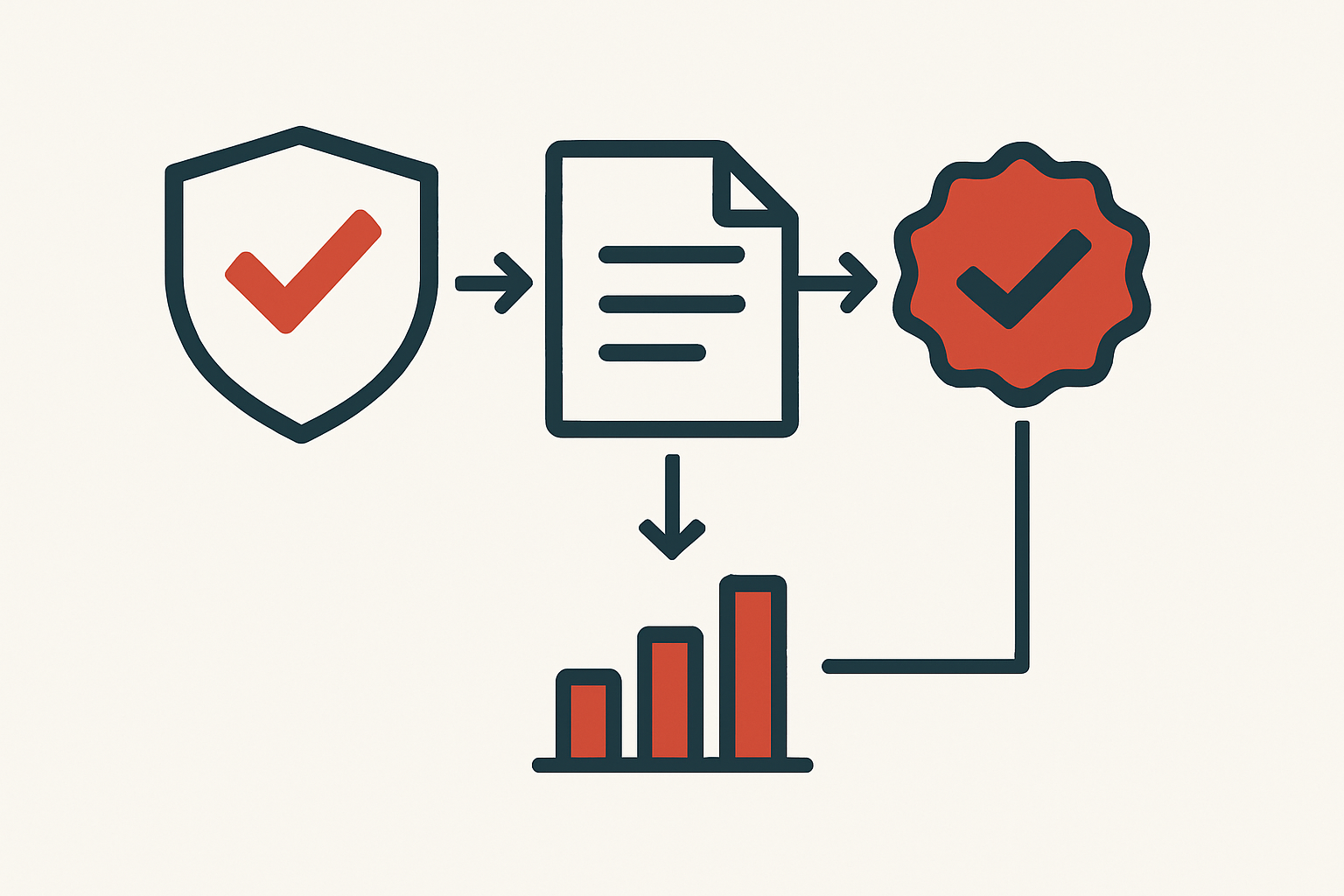
Insurance coverage for drug rehab includes detox, inpatient treatment, outpatient programs, and therapy services under federal mental health parity laws. Most health plans now provide comprehensive addiction treatment benefits, though coverage levels vary by insurer and plan type.
Understanding your insurance benefits helps reduce treatment costs and ensures access to necessary care. The Affordable Care Act requires most health plans to cover substance use disorder treatment as an essential health benefit.
Coverage verification involves checking deductibles, copayments, and prior authorization requirements. Many insurers cover 60-90% of rehab costs after deductibles, making treatment financially accessible for millions of Americans seeking recovery.
Key Takeaways
- Federal parity laws require insurance plans to cover addiction treatment equally to medical conditions
- According to SAMHSA, 94% of private insurance plans now cover substance use disorder treatment services
- Most plans cover detox, inpatient rehab, outpatient programs, and medications for addiction treatment
- Prior authorization may be required for inpatient treatment lasting longer than 30 days
- Out-of-network providers typically result in higher out-of-pocket costs for patients
Types of Drug Rehab Services Covered by Insurance
Insurance plans typically cover medical detoxification services in hospital or specialized facilities. Detox coverage includes 24-hour medical supervision, withdrawal management medications, and stabilization services lasting 3-7 days on average.
Inpatient rehabilitation programs receive coverage for 30-90 day stays in residential treatment facilities. These programs include individual therapy, group counseling, medical care, and structured recovery programming under comprehensive insurance benefits.
Outpatient Treatment Coverage
Intensive outpatient programs (IOP) and partial hospitalization programs (PHP) qualify for insurance coverage. These services provide 9-20 hours of weekly treatment while allowing patients to maintain work and family responsibilities.
Standard outpatient therapy sessions with addiction counselors receive coverage similar to mental health services. Most plans cover weekly or bi-weekly individual and group therapy sessions for ongoing recovery support.
Medication-Assisted Treatment
Insurance covers FDA-approved medications for opioid and alcohol use disorders. Medications like methadone, buprenorphine, naltrexone, and acamprosate receive coverage through prescription drug benefits with standard copayments.
Medication management visits with prescribing physicians qualify for coverage under medical benefits. Regular monitoring appointments ensure safe and effective medication use throughout recovery.
Understanding Your Insurance Benefits
Review your Summary of Benefits and Coverage (SBC) document to understand addiction treatment coverage details. This document outlines deductibles, copayments, coinsurance rates, and annual out-of-pocket maximums for behavioral health services.
Contact your insurance company directly to verify specific coverage for drug rehab services. Ask about in-network providers, prior authorization requirements, and coverage limits for different treatment levels.
In-Network vs Out-of-Network Providers
In-network treatment facilities offer significantly lower costs through contracted rates with insurance companies. Patients typically pay 10-30% of treatment costs when using in-network providers versus 40-60% for out-of-network facilities.
Most insurance plans maintain online provider directories listing covered treatment centers and therapists. Verify provider network status before beginning treatment to avoid unexpected costs and claim denials.
Prior Authorization Requirements
Many insurers require prior authorization for inpatient rehab programs exceeding certain timeframes. Submit authorization requests with medical documentation supporting treatment necessity and expected duration for approval.
Authorization decisions typically take 3-5 business days for standard requests. Emergency admissions may receive retroactive authorization if medically necessary and properly documented by treatment providers.
Maximizing Your Insurance Coverage
Choose treatment programs that accept your insurance and participate in your plan's network. In-network facilities handle insurance claims processing and often provide financial counselors to help navigate coverage benefits.
Keep detailed records of all treatment-related expenses including copayments, deductibles, and any out-of-pocket costs. These expenses may qualify for health savings account reimbursement or tax deductions.
Appeals Process for Denied Claims
Insurance companies must provide written explanations for denied claims including specific reasons and appeals procedures. Review denial letters carefully and gather supporting documentation from treatment providers.
Submit appeals within specified timeframes, typically 60-180 days from denial notification. Include medical records, treatment plans, and physician letters supporting medical necessity for the disputed services.
Alternative Coverage Options
Employee Assistance Programs (EAP) often provide free addiction assessment and short-term counseling services. These programs may also help locate treatment resources and provide referrals to covered providers.
State Medicaid programs cover comprehensive addiction treatment services for eligible low-income individuals. Medicaid expansion states provide enhanced coverage options for adults without dependent children.
Sliding Scale and Financial Assistance
Many treatment facilities offer sliding scale fees based on income and ability to pay. Nonprofit treatment centers often provide charity care programs for uninsured or underinsured patients.
Federal grants fund community health centers providing affordable addiction treatment services. These federally qualified health centers accept various insurance types and offer payment plans for uninsured patients.
Frequently Asked Questions
Does insurance cover family therapy during drug rehab?
Most insurance plans cover family therapy sessions when medically necessary for patient treatment. Coverage typically includes spouse and immediate family members in structured therapeutic settings with licensed providers.
How long does insurance cover drug rehab treatment?
Insurance coverage duration varies by plan and treatment type. Most plans cover 30-90 days of inpatient treatment and unlimited outpatient therapy sessions with standard copayments and deductibles applying.
Can I use insurance for multiple rehab admissions?
Insurance plans cannot limit the number of treatment episodes for substance use disorders under federal parity laws. Each admission receives coverage evaluation based on medical necessity and plan benefits.
What happens if I exceed my insurance coverage limits?
Contact your treatment facility's financial counselor to explore payment options including extended payment plans, reduced fees, or alternative funding sources. Some facilities offer continued care programs at reduced rates.
Bottom Line
Insurance coverage for drug rehab has expanded significantly under federal parity laws, making treatment accessible for millions of Americans. Understanding your specific benefits and working with in-network providers maximizes coverage while minimizing out-of-pocket costs.
AlcoholDrug.rehab provides detailed information about treatment options and insurance navigation to help individuals make informed decisions about their recovery journey.
References
- Substance Abuse and Mental Health Services Administration. (2023). Insurance coverage and treatment for mental and substance use disorders. https://www.samhsa.gov/health-financing/implementation-mental-health-parity-addiction-equity-act
- Centers for Medicare & Medicaid Services. (2023). Mental health and substance use disorder coverage. https://www.cms.gov/CCIIO/Programs-and-Initiatives/Other-Insurance-Protections/mhpaea_factsheet
- U.S. Department of Health and Human Services. (2023). Affordable Care Act implementation. https://www.hhs.gov/healthcare/about-the-aca/index.html