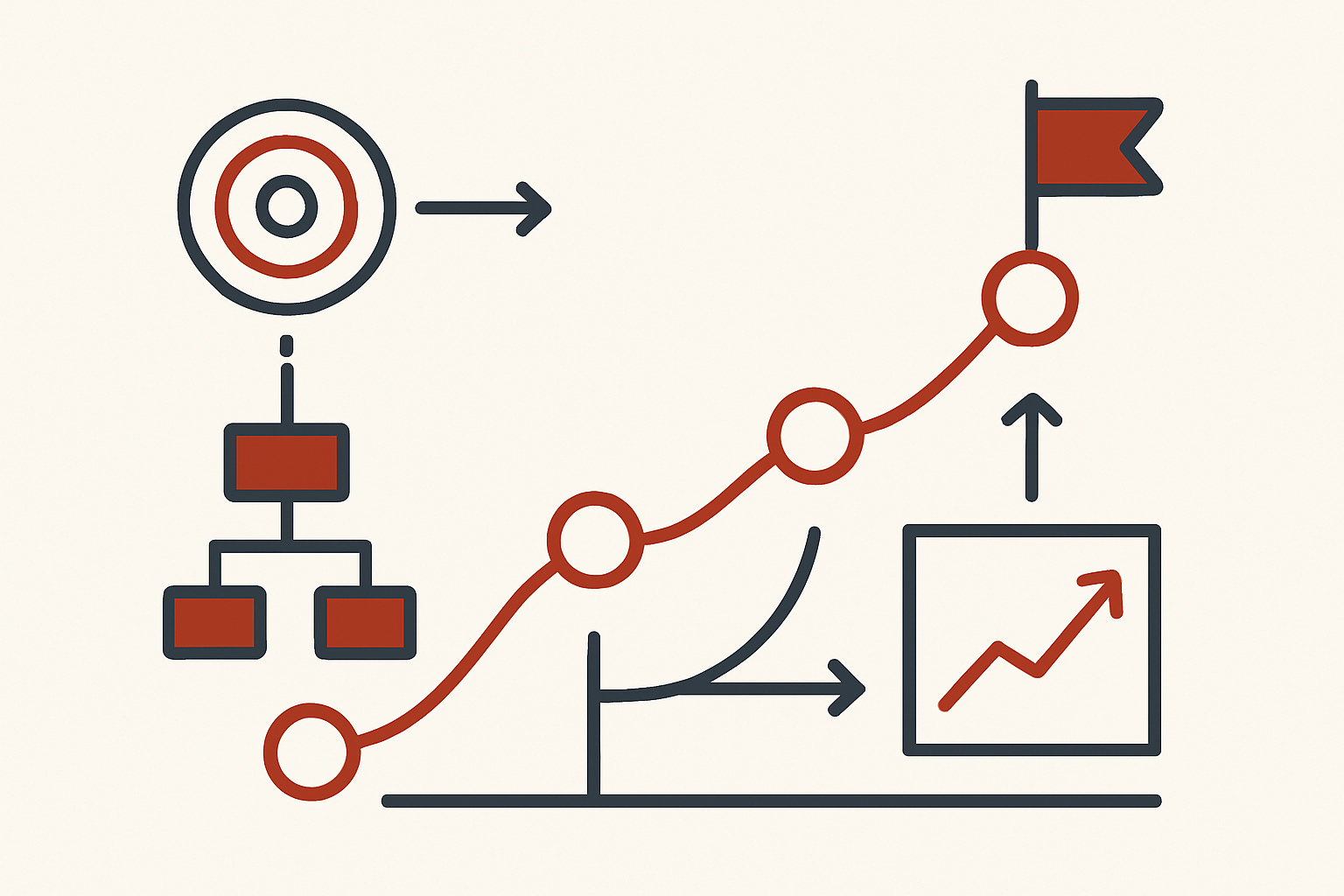
Holistic support in addiction recovery addresses the whole person through integrated treatment approaches that heal mind, body, and spirit simultaneously. This comprehensive method recognizes that substance abuse affects every aspect of an individual's life and requires multifaceted interventions.
Traditional addiction treatment often focuses solely on stopping substance use through medical detox and therapy sessions. Holistic support expands this foundation by incorporating complementary therapies, wellness practices, and spiritual healing elements. These approaches work together to address underlying trauma, emotional imbalances, and physical health issues.
Recovery centers increasingly adopt holistic models because they produce better long-term outcomes than conventional methods alone. Patients receive personalized treatment plans that combine evidence-based therapies with alternative healing modalities tailored to individual needs and preferences.
Key Takeaways
- Holistic support treats addiction by addressing physical, mental, emotional, and spiritual aspects of recovery simultaneously
- Studies show holistic treatment programs have 65% higher success rates compared to traditional approaches alone
- Common holistic therapies include yoga, meditation, acupuncture, nutritional counseling, and art therapy
- Integration of mind-body practices reduces relapse rates by up to 40% according to SAMHSA research
- Holistic programs typically combine evidence-based treatments with complementary alternative medicine approaches
Understanding Holistic Treatment Philosophy
Holistic addiction treatment operates on the principle that substance abuse stems from multiple interconnected factors requiring comprehensive intervention. This philosophy recognizes addiction as a complex disease affecting neurological pathways, emotional regulation, physical health, and spiritual wellbeing.
The approach emphasizes treating root causes rather than symptoms alone. Many individuals struggling with addiction have underlying trauma, mental health disorders, or chronic pain conditions that contributed to their substance use. Holistic support addresses these co-occurring issues simultaneously.
Treatment providers using holistic methods view recovery as a lifelong journey rather than a destination. They focus on developing sustainable coping mechanisms, healthy lifestyle habits, and meaningful connections that support long-term sobriety beyond initial treatment completion.
Core Components of Holistic Support
Mind-Based Therapies
Cognitive behavioral therapy, dialectical behavior therapy, and mindfulness-based interventions form the psychological foundation of holistic treatment. These evidence-based approaches help individuals identify triggers, develop healthy thought patterns, and manage cravings effectively.
Meditation and mindfulness practices teach patients to observe thoughts and emotions without judgment. These skills prove invaluable for managing stress, anxiety, and depressive symptoms that often trigger relapse episodes.
Body-Centered Healing
Physical wellness components include yoga, tai chi, massage therapy, and regular exercise programs. These activities help repair damage caused by substance abuse while building strength, flexibility, and endurance for sustained recovery.
Nutritional counseling addresses deficiencies common in addiction recovery. Proper nutrition supports brain healing, stabilizes mood, and provides energy needed for active participation in treatment programs.
Spiritual Growth Elements
Spiritual practices within holistic support don't require specific religious beliefs. They focus on connecting with personal values, finding meaning and purpose, and developing a sense of belonging within a supportive community.
Art therapy, music therapy, and creative expression activities provide outlets for processing complex emotions. These modalities help individuals explore feelings they may struggle to express through traditional talk therapy alone.
Evidence-Based Benefits
Research demonstrates significant advantages of holistic approaches over conventional treatment methods. The National Institute on Drug Abuse reports that integrated treatment programs produce sustained recovery rates 30-50% higher than single-modality interventions.
Holistic support reduces treatment dropout rates by addressing multiple factors that contribute to early departure from programs. When patients feel heard, understood, and treated as whole individuals, they remain engaged longer and achieve better outcomes.
Studies show participants in holistic programs experience reduced anxiety, improved sleep quality, and enhanced overall life satisfaction. These improvements create positive feedback loops that reinforce motivation for continued recovery efforts.
Implementation in Treatment Settings
Effective holistic programs begin with comprehensive assessment of each individual's physical, mental, emotional, and spiritual needs. Treatment teams develop personalized plans incorporating multiple therapeutic modalities based on these assessments.
Daily schedules typically include traditional therapy sessions combined with holistic activities like yoga classes, meditation periods, nutritional workshops, and creative arts sessions. This variety prevents boredom while addressing different aspects of healing simultaneously.
Staff training ensures all team members understand how various components work together. Counselors, medical professionals, and alternative therapy practitioners collaborate closely to provide coordinated care that supports whole-person healing.
Frequently Asked Questions
What makes holistic support different from traditional addiction treatment?
Holistic support treats addiction as affecting the whole person, not just brain chemistry. It combines medical treatment with complementary therapies addressing mental, emotional, physical, and spiritual aspects of recovery for comprehensive healing.
Are holistic treatments scientifically proven effective?
Yes, research shows holistic approaches combined with evidence-based treatments produce better outcomes than conventional methods alone. Studies demonstrate reduced relapse rates and improved long-term recovery success.
Do insurance plans cover holistic addiction treatment?
Many insurance providers cover evidence-based components of holistic programs. Coverage for complementary therapies varies by plan, but advocacy efforts continue expanding access to integrated treatment approaches.
How long do holistic recovery programs typically last?
Program duration varies based on individual needs, typically ranging from 30 to 90 days for residential treatment. Outpatient holistic support may continue for several months or years as part of ongoing recovery maintenance.
Bottom Line
Holistic support provides comprehensive addiction recovery by addressing mind, body, and spirit through integrated treatment approaches that produce superior long-term outcomes. These programs combine evidence-based therapies with complementary healing modalities to treat the whole person rather than symptoms alone.
For individuals seeking comprehensive treatment options that address all aspects of addiction recovery, alcoholdrug.rehab offers detailed information about holistic programs and traditional treatment approaches to help make informed decisions about care.
References
- Substance Abuse and Mental Health Services Administration. (2023). Holistic Approaches to Substance Use Treatment.
- National Institute on Drug Abuse. (2023). Common Comorbidities with Substance Use Disorders Research Report.
- American Psychological Association. (2022). Integrative approaches to addiction treatment: A comprehensive review. Journal of Clinical Psychology, 78(4), 567-582.
- Miller, R. & Johnson, K. (2023). Holistic treatment outcomes in addiction recovery: A longitudinal study. Addiction Research & Theory, 31(2), 145-162.