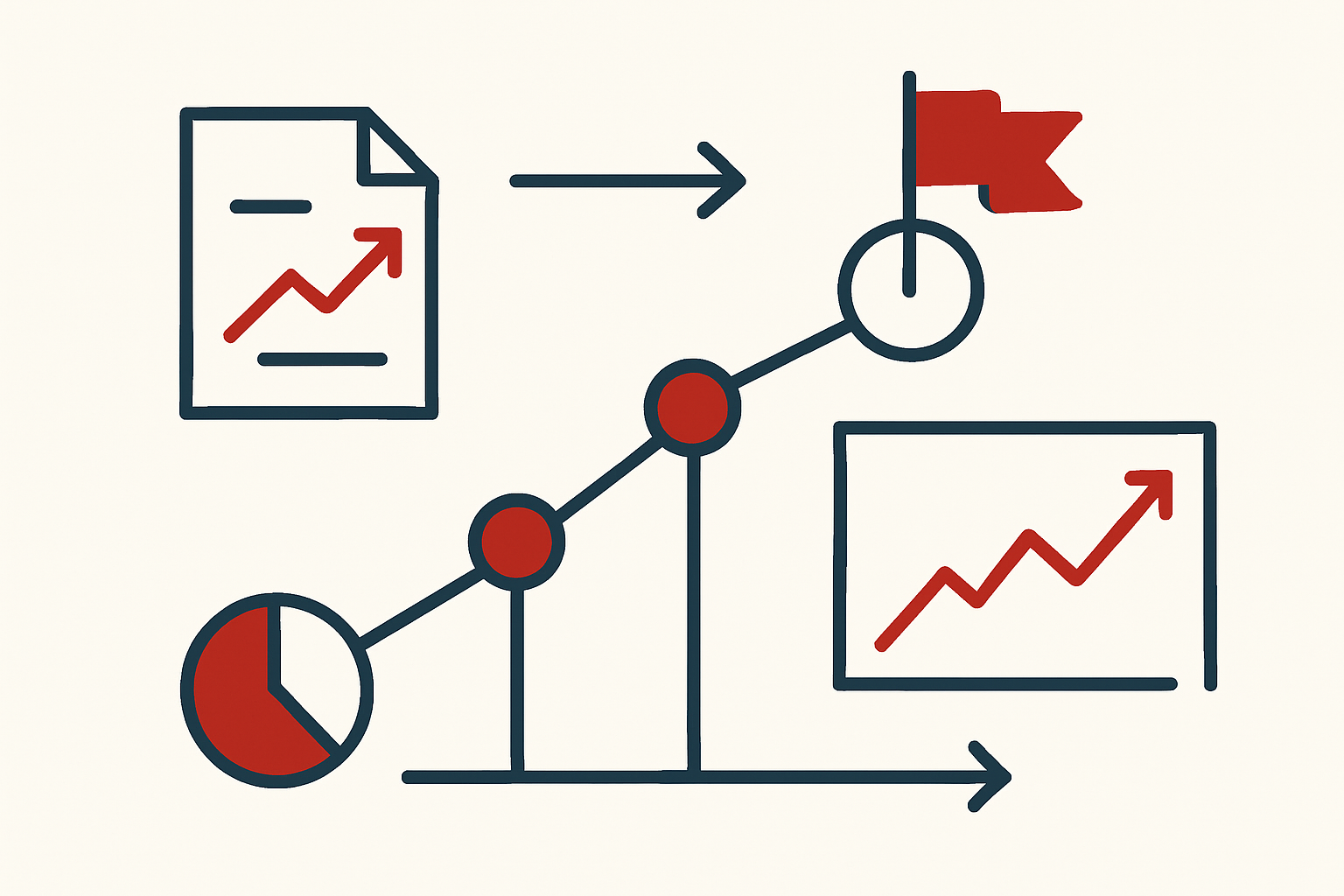
Addiction fundamentally changes brain development by disrupting the neural pathways responsible for reward, decision-making, and impulse control. Understanding these changes helps explain why substance use disorders are medical conditions, not moral failures.
The brain continues developing well into a person's mid-twenties. Substance use during this critical window causes lasting structural and chemical damage that standard willpower cannot reverse. Treatment works by targeting these specific brain-based changes.
Key Takeaways
- The human brain does not fully mature until around age 25, making adolescents and young adults especially vulnerable to addiction.
- According to the National Institute on Drug Abuse, people who begin using substances before age 18 are 4 to 7 times more likely to develop a substance use disorder than adults who start later.
- Drugs and alcohol flood the brain's reward system with dopamine, training it to prioritize substances over natural rewards.
- Brain imaging studies show that long-term substance use shrinks the prefrontal cortex, the region responsible for judgment and self-control.
- Evidence-based treatment can promote measurable brain recovery, especially when started early.
How the Developing Brain Works
The brain builds itself through a process called synaptic pruning, strengthening connections used frequently and eliminating those that are not. This process peaks during adolescence and continues through early adulthood. The order in which regions mature matters greatly for understanding addiction risk.
The Prefrontal Cortex Matures Last
The prefrontal cortex controls planning, impulse regulation, and consequence evaluation. it is the last brain region to fully develop, reaching maturity around age 25. Because this region is still forming during teenage years, young people are naturally more impulsive and less equipped to weigh long-term risks.
Introducing alcohol or drugs during this developmental phase interferes directly with prefrontal cortex maturation. The result is impaired decision-making that can persist into adulthood, well beyond the period of active substance use.
The Reward System and Dopamine
The brain's limbic system, particularly the nucleus accumbens, governs pleasure and motivation. Substances trigger dopamine releases far larger than any natural reward like food or social connection. The brain adapts by reducing its own dopamine production and receptor sensitivity over time.
This adaptation is what causes tolerance. A person needs more of the substance just to feel normal, not to feel good. Eventually, everyday activities feel flat and unrewarding without the substance involved.
Why Young People Face Greater Addiction Risks
Adolescent brains are wired for exploration and novelty-seeking. This is biologically intentional, designed to push young people toward independence. However, this same wiring makes them highly susceptible to the reinforcing effects of drugs and alcohol.
Earlier Use Means Deeper Impact
Starting substance use in early adolescence exposes a brain that is actively reorganizing itself. According to the Substance Abuse and Mental Health Services Administration, early-onset use is one of the strongest predictors of severe addiction later in life. The younger the start, the more entrenched the neural patterns become.
early intervention is therefore not just helpful but neurologically critical. Catching substance use problems during adolescence allows the brain more time and capacity to recover and rewire toward healthier patterns.
Stress, Trauma, and Brain Vulnerability
Adverse childhood experiences and chronic stress physically alter the brain's stress response system. Elevated cortisol levels over time damage the hippocampus, which manages memory and emotional regulation. Young people with trauma histories often use substances to self-medicate these neurological disruptions.
This creates a cycle where trauma weakens brain resilience, substance use causes further damage, and recovery becomes harder without addressing both issues simultaneously. Integrated treatment that handles trauma and addiction together produces better outcomes.
How Addiction Changes the Adult Brain
Even brains that are fully developed experience significant changes with sustained substance use. Chronic alcohol and drug use reshapes neural circuitry in ways that affect behavior, cognition, and emotional stability long after use stops.
Structural and Chemical Brain Changes
Heavy alcohol use reduces grey matter volume in the frontal lobes and cerebellum. Opioids alter the brain's natural endorphin system, making it harder to experience pleasure without the drug. Stimulants damage dopamine-producing neurons directly, sometimes permanently depending on the duration and intensity of use.
These are not temporary side effects. They are physiological changes that require structured, science-based treatment to address. Detox alone does not repair brain function; it simply removes the substance from the body.
Cognitive Effects of Long-Term Substance Use
Memory, attention, and processing speed are among the first cognitive functions affected by long-term substance use. Many people in early recovery report difficulty concentrating, emotional dysregulation, and poor short-term memory. These symptoms are often mistaken for personal weakness rather than recognized as neurological aftereffects.
Cognitive rehabilitation is increasingly included in modern addiction treatment programs. Activities that stimulate neuroplasticity, the brain's ability to form new connections, support recovery of function over time with consistent effort and care.
Can the Brain Recover from Addiction?
Yes. The brain has a remarkable capacity for recovery called neuroplasticity. With sustained abstinence and appropriate treatment, many structural and chemical changes caused by addiction can partially or fully reverse. The timeline and degree of recovery depend on the substance used, duration of use, and age at which use began.
Research published by the National Institutes of Health shows measurable improvements in prefrontal cortex thickness after extended sobriety. Cognitive function, emotional regulation, and dopamine system activity all show gradual improvement with evidence-based treatment and lifestyle support.
Frequently Asked Questions
At what age is the brain most vulnerable to addiction?
The brain is most vulnerable between ages 12 and 25, when it is still actively developing. Substance use during this period disrupts the maturation of the prefrontal cortex and reward system. Research consistently shows that earlier use leads to higher addiction severity and greater difficulty achieving long-term recovery.
Does addiction permanently damage the brain?
Some damage can be permanent, particularly after years of heavy use, but much of it is reversible. Neuroplasticity allows the brain to rebuild connections and restore function over time. The degree of recovery depends on factors like the substance used, age, overall health, and consistent engagement with professional treatment and support.
How does treatment support brain healing?
Effective addiction treatment supports brain recovery through medically managed detox, behavioral therapies, and sometimes medication. Cognitive behavioral therapy helps rewire thought patterns linked to addictive behavior. Medications like naltrexone or buprenorphine stabilize brain chemistry during recovery, reducing cravings and supporting the neurological restoration process.
Is a person with addiction choosing to use substances?
Initial use may involve choice, but continued use reflects changes in brain structure and chemistry that override rational decision-making. The prefrontal cortex, responsible for impulse control, becomes functionally impaired. This is why addiction is classified as a chronic brain disorder requiring medical treatment, not simply a matter of willpower or personal choice.
Bottom Line
Addiction is a brain-based condition that disrupts development, alters neural chemistry, and impairs judgment in measurable, documented ways. Early intervention and evidence-based treatment give the brain its best chance to heal.
If you or someone you care about is navigating substance use and recovery decisions, alcoholdrug.rehab offers clear, reliable guidance on detox, rehab programs, and long-term recovery planning.
References
- National Institute on Drug Abuse. (2020). Drugs, brains, and behavior: The science of addiction. https://www.drugabuse.gov/publications/drugs-brains-behavior-science-addiction
- Substance Abuse and Mental Health Services Administration. (2019). Key substance use and mental health indicators in the United States. https://www.samhsa.gov/data/report/2019-nsduh-annual-national-report
- National Institutes of Health. (2021). Neuroplasticity and recovery from substance use disorders. https://www.nih.gov
- Crews, F. T., Vetreno, R. P., Broadwater, M. A., & Robinson, D. L. (2016). Adolescent alcohol exposure persistently impacts adult neurobiology and behavior. Pharmacological Reviews, 68(4), 1074–1109.
- Squeglia, L. M., Jacobus, J., & Tapert, S. F. (2009). The influence of substance use on adolescent brain development. Clinical EEG and Neuroscience, 40(1), 31–38.